
Homie of the Day: Dad
A couple of weeks ago, I received a text from our thoughtful father suggesting that we do a blog post on the Japanese philosophy of Wabi-Sabi. He went into some detail to explain Wabi-Sabi and it became clear he was the one to write the post. So without further ado, take it away, Dad.
Are you Wabi-Sabi?
Several years ago I was introduced to the ancient Japanese concept of Wabi-Sabi, a paradigm shift in my perception of beauty. American culture honors the new, the sleek, the modern, the unblemished:
A Sony flatscreen tv,

a Richard Meier-designed building,


virtually all things Apple.


Wabi-Sabi is the Japanese art of finding beauty in imperfection and of accepting the natural cycle of growth, decay and death. Described by the architect Tadao Ando, “it celebrates cracks and crevices and all the other marks that time, weather, and loving use leave behind. It reminds us that we are all but transient beings on this planet….Through Wabi-Sabi, we learn to embrace liver spots, rust, and frayed edges, and the march of time they represent.”

So now, that old, worn and scratched-up kitchen table takes on a new beauty. Unsightly marks and grooves begin to evoke the hours spent over family meals where love, conversation, support and compassion flowed easily.
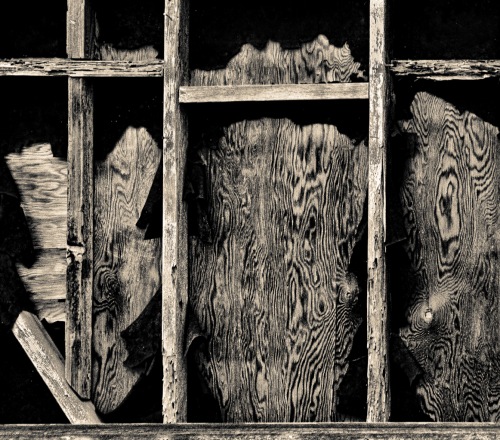
“Sabi things carry the burden of their years with dignity and grace,” Ando continues to explain. “The chilly mottled surface of an oxidized silver bowl, the yielding gray of weathered wood, the elegant withering of a bereft autumn bough. An abandoned barn, as it collapses in on itself, holds this mystique.”

“At its core, wabi-sabi is about recognizing the beauty in what is, so you can step back and appreciate what you have all around you.” Adam Kayce.
Wabi-Sabi is a simple aesthetic. Let it expand your personal sense of beauty in architecture, poetry, home décor, furniture design, even your personal search for meaning in life.
 sisterdisco.com
amen brother
Great post, Edward! What @ people? I think we should revere the age lines & facial imperfections that show love, care & concern on smothers face. To make one feel that these imperfections need to be ‘fixed’ just isn’t right!
Pingback: Happy Feet «
Pingback: Feel Good |