Archive

Author Archives: Lauren

Our brother, David, recently picked up a copy of the book Connected at his local bookstore, The Booksmith, in San Francisco. It made quite an impression on him and he has captivated us with his thoughts on it. He lovingly agreed to do a two part post on the book and we’re so excited to share part one with you today. It is sure to enhance your perspective on your own life and humanity at large.

CONNECTIONS
A review and reaction to Connected, by David Feighan.

Connected amazingly describes human social networks in a way that shifts your perspective to view a group as its own organism, instead of just a collection of individuals. Seen from this perspective, the significance of connections in everything is blindingly glaring.

First, let’s look at the premise of the book. To conceive of a social network, consider an ant colony or a flock of birds. The colony or the flock seems to have a life of its own beyond the individuals. For people, this is called “The Human Super Organism.”

Flock of Red-winged Blackbirds red-winged-blackbirds

The connections come to define the experience of individuals in the group and the group itself (similarly carbon atoms can be coal or diamonds, depending on connections). So how our social networks are formed have dramatically different effects for those involved, just as people have different cultures but nearly identical emotions. Since you don’t necessarily know your friend’s friends, no one can see his/her social network or his/her network placement.  Networks are comprised of several degrees of separation, barring any member from seeing the network in its entirety.

We are all separated by 6 degrees. But social influence extends 3 degrees. This means that we cannot know the point from which we are being influenced. Free will is not as static as we think, and we are influenced more by external factors than we realize.  We can choose to start a fight, but it is much less of a choice to be sucked into one.

For something invisible, social networks are important.  They can affect up to 70% of a person’s behavior.  Position in a social network can predict happiness better than race, class, gender, education and income. Positional inequality can be stark, but people can and do adapt to new positional roles rather effortlessly.  Also, wealth and status are relative, so social networks reject dramatic income inequality.

Additionally, the group sets morality. Likewise, in a social network, if enough people believe a lie, it must be regarded as true; otherwise it threatens the fabric of the social network (think “The Emperor Has No Clothes”). Social networks are not inherently good or evil, and connections can harm you, but they are more likely to be beneficial and to conduct and retain positive energy.

Connections are self-perpetuating. Central people are more likely to be happy; people treat them more altruistically. People on the edges are lonelier and are more likely to think that society doesn’t work. Plus, social networks can fray at the edges. As one person disconnects from the group, they created a new set of people on the edge, who are now more likely to disconnect as well. By tending to those on the edge a person can prevent network decay and improve his/her own life.

*People only have the mental capacity for up to 200 connections. The low number is because we have to track the interconnectivity of all 200 people.

Putting positive energy into our networks is actually in our own best interest because it is multiplied and contagious, boomeranging back. In fact, many people designate a spot for God when asked to draw their social networks, essentially connecting everyone to everyone with love. Social networks simply create a feeling of oneness. Consequently, friendship and loyalty can trump self-interest. Altruism, love, reciprocity, trust, sympathy, compassion and generosity spread throughout a social network and are essential to it.  Being nice is actually the most efficient way to be happy.

Our connections are among the most valuable things we have as human beings. Connected says, “When we have lost our connections, we have lost everything.” Certainly, the idea that exile was once considered worse than execution is one example of this; so is solitary confinement.

We are only measurable relative to our connections. So, by breaking into the impenetrably dense (trillions of connections) structures of social networks, perhaps social networks can address some paradoxes in our lives.  People are increasingly screaming at the world about seemingly no-brainer threats to society, like climate change. Obviously, we are ruining our world. Yet, our social networks are dependent on an economy that exploits our natural resources.  Individuals can see this and act on it, but social networks cannot. Giving way to the power of networks, this leads people to identify with what Foucault called “regimes of truth,” which allow for cognitive dissonance (subjective and unconscious denial of facts).

So if the existence of social networks confirms the absense of objective truth, than the only real reality is the life-blood of social networks – love.

This isn’t just a reference to romantic love, but what is necessary to social networks: altruism, reciprocity, trust, sympathy, compassion and generosity. Going further, people are unconsciously connected, such as sensing when someone is looking at the back of your head, or sensing when a loved one is about to call your phone. Studies have shown that this feeling is based on emotional proximity, not physical proximity.  Couples describe this all the time –their connection was so significant, it trivialized everything else.

So, how can we blow smoke across the lasers that are our interpersonal relationships? Tune in for part 2 to find out.

*Connected was written by Nicholas Christakis and James Fowler, of Harvard and UCSD, respectively.  It details and explains the nature of human social networks studied as a whole.  It was published in 2009, and since, the term “social network” has come to define websites more than our flesh and blood social lives.  Please remember that “social network” refers to groups of people both in real life and the digital world.

I’m more of a last minute kind of gal when it comes to Christmas shopping (and pretty much everything else, if we’re being honest). But this year, I got a bit of a head start on my online shopping perusal and put together this little gift guide. I hope you enjoy it!


Maple Syrup Sampler $28 / Spicy Pickles $14 / Lavender, Chai and Habanero Caramel Sauce $5  / Freezer Compost Bin $60 / Cheese of the Month Club $42.95 and up

*

Sand Timer $16 / Book Clock $24 / 2012 Bubble Calendar $19.99 / Peacock Calendar $8 /   Pewter Seahorse Letter Opener $70 /  Gold Wishbone $48

*

Vintage Book iPad Dock $48 – $55 / USB Battleship $23 / Hand Stiched iPhone Wallet $60

*

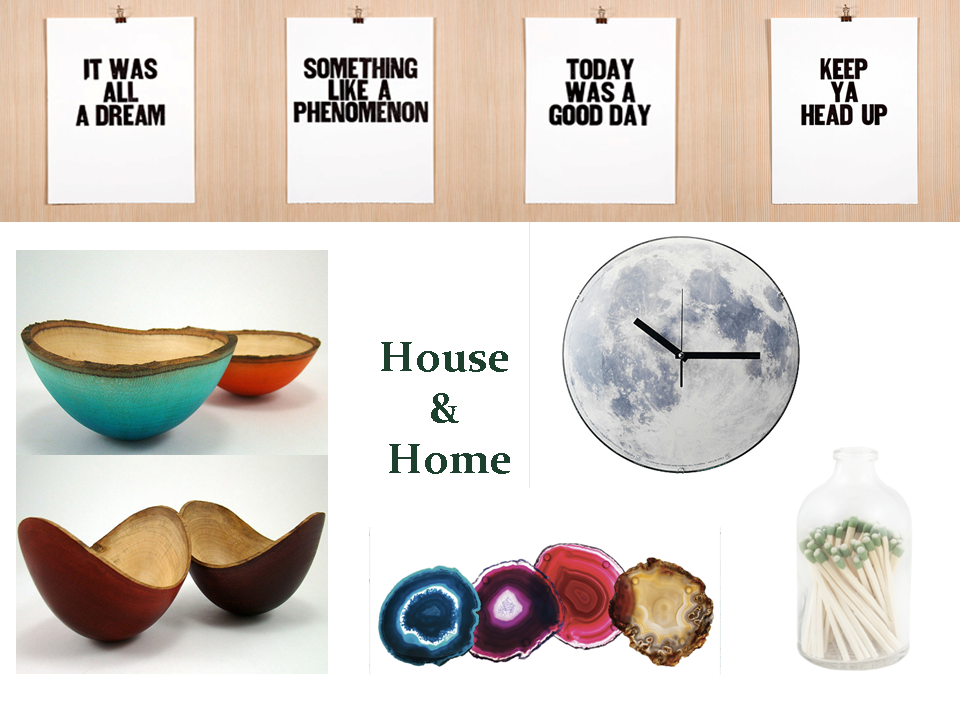
Posters that Rock $34.99  /  Sycamore Bowls $74 – $89  /  Moon Clock $32  /  Agate Coasters $64 /  Strike Anywhere Matches $25

*

FLORAFELT Vertical Planter $44  /  Porcelain Hanging Planter $70  / Re-purposed Wine Bottle GROWBOTTLE $35

*

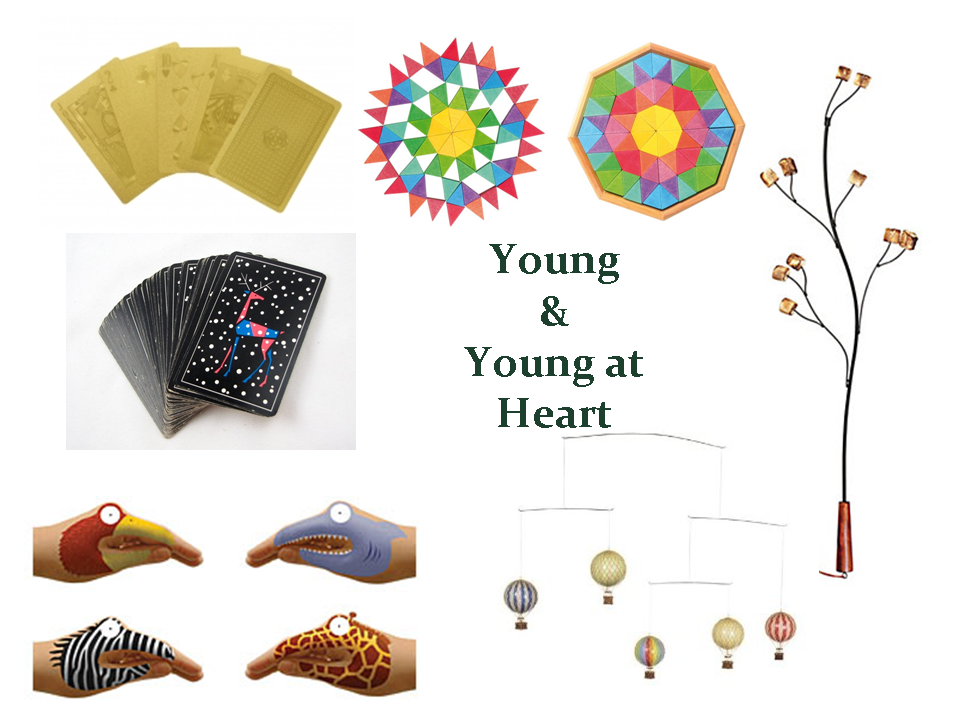
Gold Playing Cards $17  /  Octagon Puzzle $40 / Vintage Reindeer Playing Cards $10  /  Marshmallow Twig Roaster $18 / Temporary Hand Tattoos $5.99  /  Floating in the Skies Mobile $69.95

*

In addition to one of our own, a few of our nearest and dearest have shared some photographs they took with us (and you)!

Rhode – Macy’s Window Display, NYC

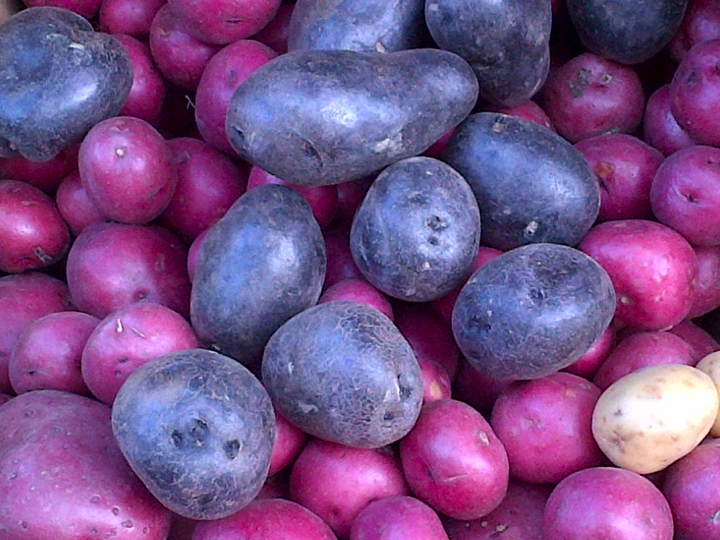
Dave – Purple Mashed, Denver, CO

Farrell – Cleveland Metroparks, Cleveland, OH

Teddy – Teddy’s Old Cell Phone, Probably somewhere in Florida

Each week we take one word and each do a post based off that word. This week we’ve chosen the word vivid. Enjoy!


*Scroll over images for location information and click through for source info. Most images via Plenty of Colour.

Researchers Trace Roots of Vivid Memories

Researchers have found that calling up vivid memories—the face of a loved one or the chords of a favorite song—activates regions of the brain responsible for processing sensory experiences. When a person recalls a vivid memory, some of the sensory regions of the brain responsible for etching the original memory are reactivated.

In an article published in the September 26, 2000,Proceedings of the National Academy of Sciences, Howard Hughes Medical Institute investigator Randy L. Buckner, Mark E. Wheeler and Steven E. Petersen at Washington University in St. Louis describe how they used functional magnetic resonance imaging (fMRI) to probe the roots of a longstanding hypothesis in the field of memory research. According to the reactivation hypothesis, brain regions that are activated when a person has a sensory-specific experience are reactivated whenever the person remembers that experience.

(Click here to continue reading article)

(image via La SuSea)

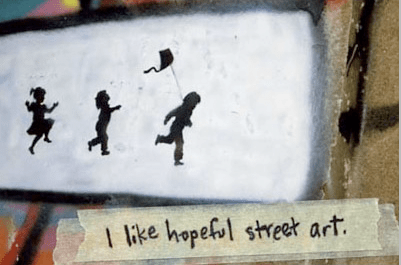
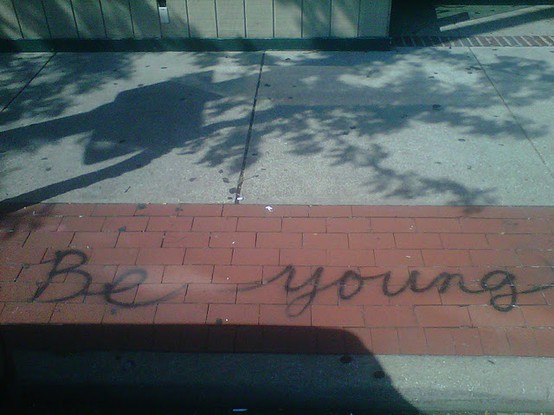
Over the past couple of years, I’ve started to pay more attention to street art. I seem to be drawn to the written messages that people put out there. I wonder where they came from and why the artists choose to convey whatever it is they have. Below are a few shots I’ve taken of things that caught my attention.

“You Would” is written all over my neighborhood.  I find it to be a particularly strange message and don’t know quite what to make of it.  Much to my amusement, someone has started responding, spraying along side “Yea, so would you!”.

Along these lines, if you haven’t yet seen it, I’d highly recommend checking out the documentary “Exit Through the Gift Shop.”  

We asked friends to send us a picture they took. Here are this week’s photos. Thanks, everybody!

Mike – Monterey, CA

Mike – British Columbia, Canada

Bridget – Akron, OH

Sarah – Houston, TX

If you want one of your photos to be featured in an upcoming post, send it our way!

Our dear friend Jo has been taking full advantage of NYC’s arts scene of late, with a recent visit to the MoMA and a performance collaboration by the Yeah, Yeah, Yeahs’ Karen O and production designer K.K. Barrett. Check out her thoughts below and the similarities she found between the two:

thrashing//violent//feminine//nightmare orgy

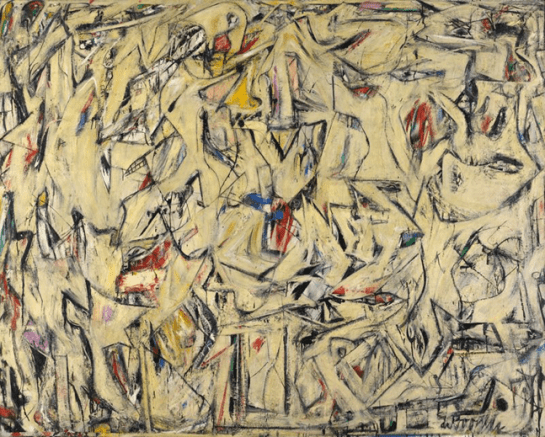
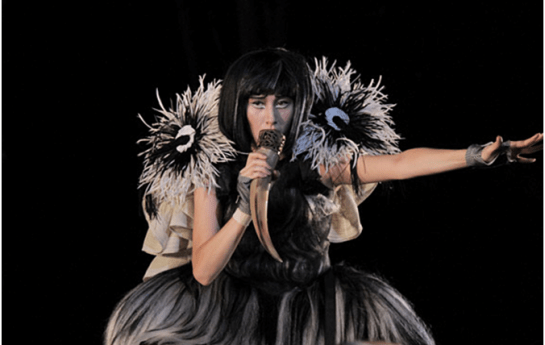
the opening scene in Karen O’s Stop the Virgens reminded me of Willem de Kooning’s Excavation (1950), which I had seen a few days before as part of a major retrospective on the artist at MoMA.  the “virgens” spilled onto the disturbing landscape with limbs intertwined, yelping and growling and moaning like they were being birthed from the primordial ooze.  all that chaotic closeness of female bodies one on top of the other writhing in a gross, sexy heap made me feel the vastness of the feminine experience. beautiful and disgusting birth, sexuality, strength, murderous violence, vulnerability, hope….it was all in there.  similarly, and despite the fact that de Kooning acquired a reputation as a righteous misogynist, I felt moved by his lady-like nightmare orgies and portraits of teeth-baring women.  they look like beefy and bandana-ed Sylvester Stallones who could give the T&A pinup girls of the time a run for their money.  they seem to contain within their frames the sexual and the grotesque as easily as the virtuous and sublime.  the gorgeous pastels in de Kooning’s Woman, I is a perfect example.  maybe I like de Kooning’s snarling gladiator women and Karen O’s wraith-like “virgens” because I’m bored by the oversimplified women getting shoved down my throat via pop culture.  (Carey Mulligan how can you be so passive and doe-eyed in Drive? are you just going to let Ryan Gosling save you like a little lamb? do something, dummy!)  it’s incredible to me how ubiquitously portrayals of women in media simplify us to one of these elements – the saint, the damsel, the slut, the bitch, the girl next door, the vengeful/violent psycho – and how rarely art successfully (or even attempts) to convey a holistic picture of how these difficult complexities coexist within us.  maybe I see myself in these odd totems holding the capacity for both incredible creation and devastating destruction – again, it’s all in there.


(Click through all the images above for source info)

at any rate, I’m looking for more unconventional portrayals of women in art. let me know if you have any suggestions, dear internet readers!

I first went to Amsterdam 10 years ago. At that time, I had heard a lot about the coffee shops and red light district – which are part of the experience for sure – but somehow nothing of the beauty, charm and ease of the city. I was awestruck; it quickly became one of my favorite cities.

This past weekend I jetted off to Amsterdam a second time, for a trip that left me asking why I don’t do these things more often! Friends had rented an apartment there for the week via AirBNB and invited me to come along. I quickly put my apartment on the same site, rented it out to a nice, young German man and hopped a flight to Amsterdam.

Day One
One speedy red-eye later I arrived to wonderful, light-filled, real-life Amsterdam apartment.

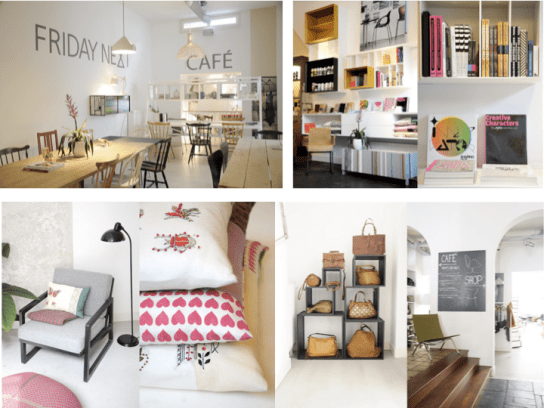
After a quick nap, we set off for the day. Our first stop was this very cool concept store “for interior and lifestyle” called Friday Next. In addition to the store’s shop and work areas, it also features its own cafe.

After some food and coffee it was on to check out some of the cultural sites. Our first stop was the prestigious Van Loon family home which now operates as a museum. When we arrived just in time for the opening of the coach house, which only happens once an hour for 15 mins, we knew we had some serious luck on our side!

Though the natives are mostly on bikes, Amsterdam is wonderfully walkable city. And there are ample bars, cafes and coffee shops to pop into between sites.

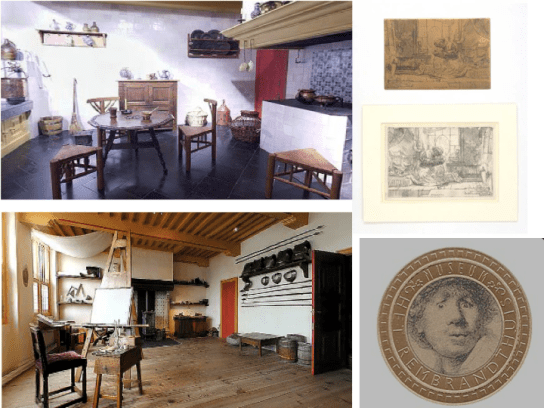
Next up was a visit to the Rembrandt House, which Rembrandt purchased for an exorbitant amount of money and eventual lost due to bankruptcy. In addition to training his pupils here, Rembrandt also dealt other artist’s work from the front of the house. I was quite shocked to learn that people of this time thought it was dangerous to lie down horizontally during sleep, so they instead opted to sleep half way sitting up. I also learned about Rembrandt’s copper plates, made to produce prints, of which there are only 80 or so left in existence.

Finally, it wouldn’t be a trip to Amsterdam without a visit to the renowned Van Gogh Museum. I had been to the Van Gogh Museum on my first trip to Amsterdam but appreciated it even more the second time. Amazing!

We finished the day with dinner at Moeders, which means Mothers in Dutch. In addition to great food, this Dutch restaurant features framed pictures of mothers all over its walls – and you’re welcome to add your own to the collection! But my favorite thing about Moeders is that all of its silverware is different, as it was brought in piece by piece by guests on the opening night.

Day Two
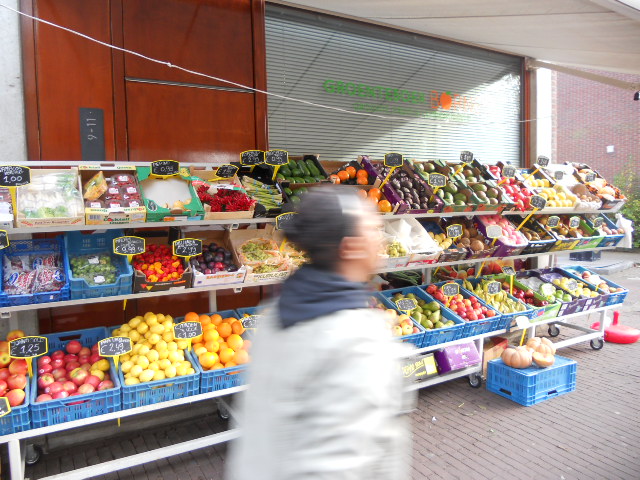
We were offered the priceless advice of renting a self-operated boat to peruse the canals. We set off to find the dock and stumbled upon a wonderful market, then wine, meat and cheese shop on our way.

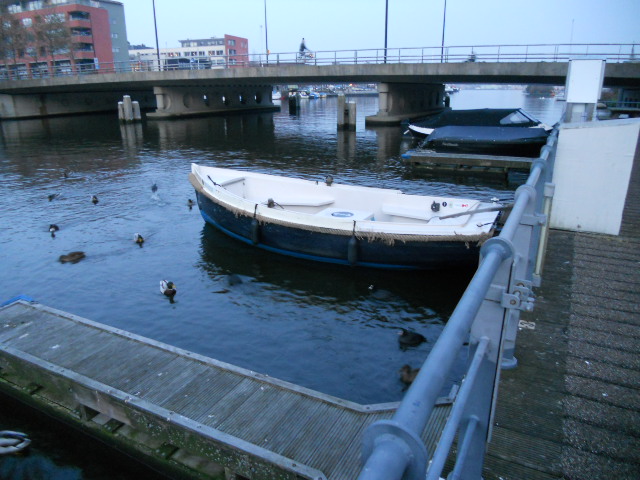
After picking up supplies for the perfect picnic-at-sea, we headed to the water. To our great surprise, the only thing waiting for us at the dock was a lock box, to which we had chosen a pin, and electric boat ready for the taking.


We grabbed the key, untied the lines, brushed up on our knots and nautical basics and headed for the canals!


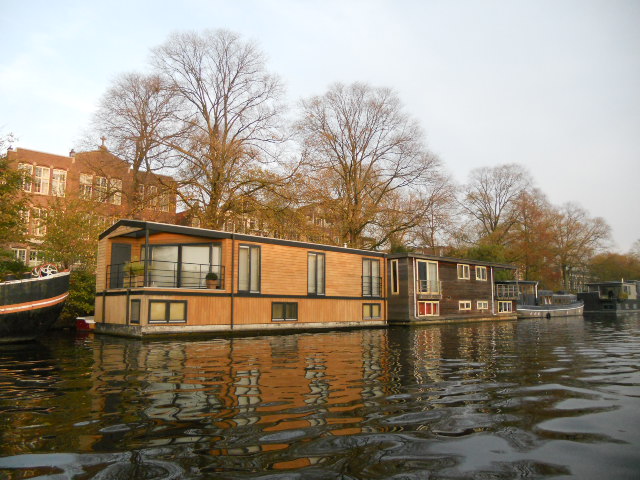
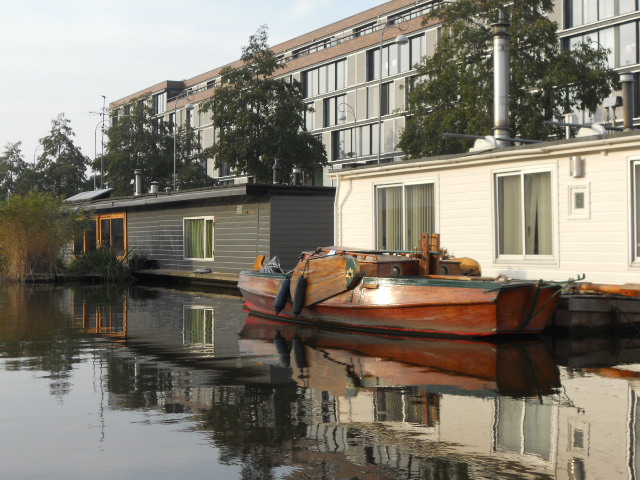
This was truly a WONDERFUL way to see the city. It also gave us a chance to check out some of Amsterdam’s coolest real estate: its houseboats!


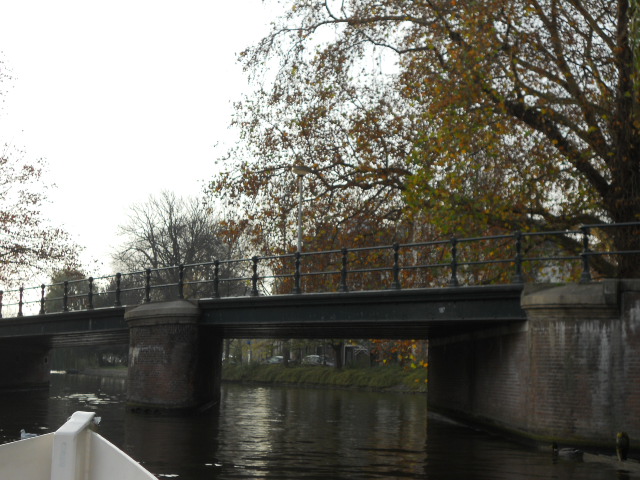
One three hour tour, and two stops later, we headed back to the dock. Absolutely amazing day!!


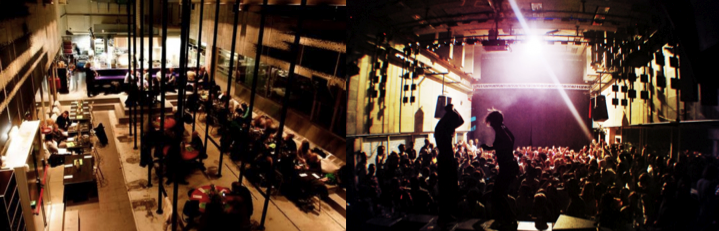
And just when I thought things couldn’t get any better, I was treated to a surprise birthday dinner at the lively and delicious Bazar Amsterdam, followed by a trip to Trouw, a joint club, restaurant and art space.

(bottom left image/bottom right image)

Day Three
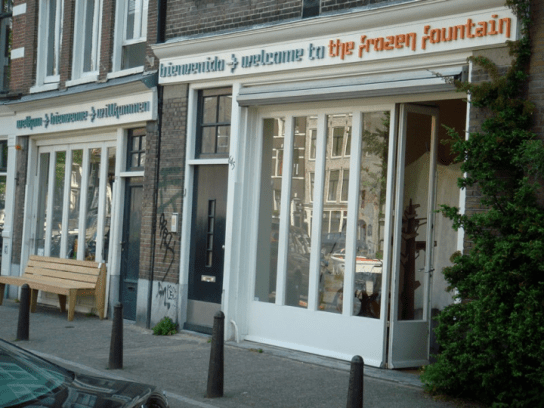
We ended the trip with a slow paced day. We began by walking around Amsterdam’s lovely Jordaan neighborhood and eventually found our way to Frozen Fountain. This store has an amazingly curated collection of home accessories, furniture, some clothing and jewelry. It was a great find!

(above photo via Davernator)

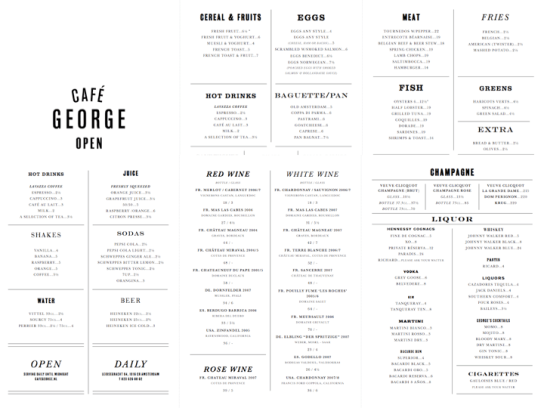
Like all good shopping expeditions, we capped this one off with a glass of wine at Cafe George – not only good for its ambiance but well-designed menu.

The trip ended with a wonderful meal at the local Cafe de Toog. After a long day of walking around, the 3-person jazz band and neighborhood feel was what we were looking for.

It was a quick trip but we squeezed in a lot and I left with a renewed love of Amsterdam! Such a fabulous city!

(Click through most of the pictures above for source info and to be taken to the place page)

Every week we pick a word and each do a post on that word.  This week our word is Wondrous.

What an amazing experience to capture on video! I love the girl’s reaction at the end.

Murmuration from Sophie Windsor Clive on Vimeo.

I recently watched Into The Universe with Stephen Hawking, a new series on the Discovery Channel (you can also watch it on NetFlix watch instantly). The ideas presented and the way in which Stephen unravels the possibilities of the Universe is WONDROUS! I can not stop thinking about the ideas presented in this series.

Check out the whole series on Discovery Channel.